Rider: A Contagious Exploitation
Riders in Italy have become an integral part of the urban landscape, between bicycles and scooters, recognizable by their colorful backpacks and home deliveries, ranging from meals to takeaway food to online purchases. But behind these workers lies a reality of exploitation, precariousness and lack of safety.
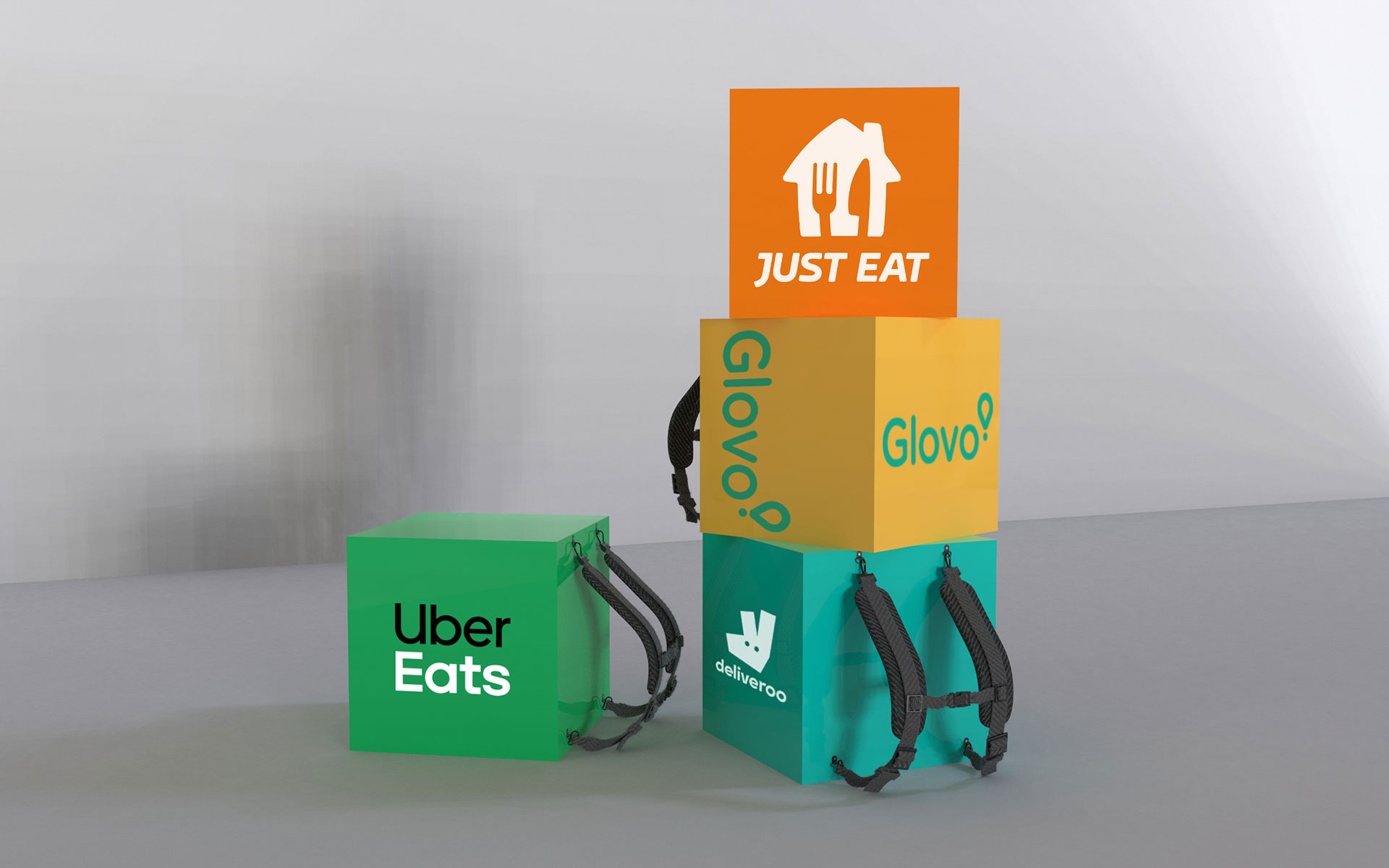
Most of them work for platforms like Deliveroo, Glovo and Just Eat, but they are never considered employees. In fact, they are defined as “autonomous”, without any rights, without protection in case of illness, injury or maternity, uncovered by adequate insurance.
Who are the riders? Not only young students, but also adults and migrants, often without a regular residence permit, who, unfortunately, are unable to find safer alternatives. The wages, which vary between 400 and 2,100 euros per month, are miserable and not enough to guarantee a dignified life. Their means of transportation are often personal, exposing them to enormous daily risks. Companies also withhold 30 percent on delivered goods, competition on the street among riders increases, and that is also why everyone collects less.
The real problem, however, is “digital caporalism.” The platforms manage riders through algorithms, deciding when and how they work without offering support. If a rider is injured or fails to deliver on time, they risk being penalized, or worse, fired. Furthermore, the illegality behind this system is increasingly evident: trafficking of fake accounts, criminal organizations that exploit migrants, and control of the platforms that assume no responsibility.
Despite efforts to obtain protections, such as the National Collective Agreement signed in 2020, riders remain at the mercy of a system that exploits them. Estimates speak of about 30,000 riders in Italy, yet while platforms continue to make profits, their status remains that of invisible workers, yet essential to our daily lives.